Water Damage Restoration for Troy's Historic Homes
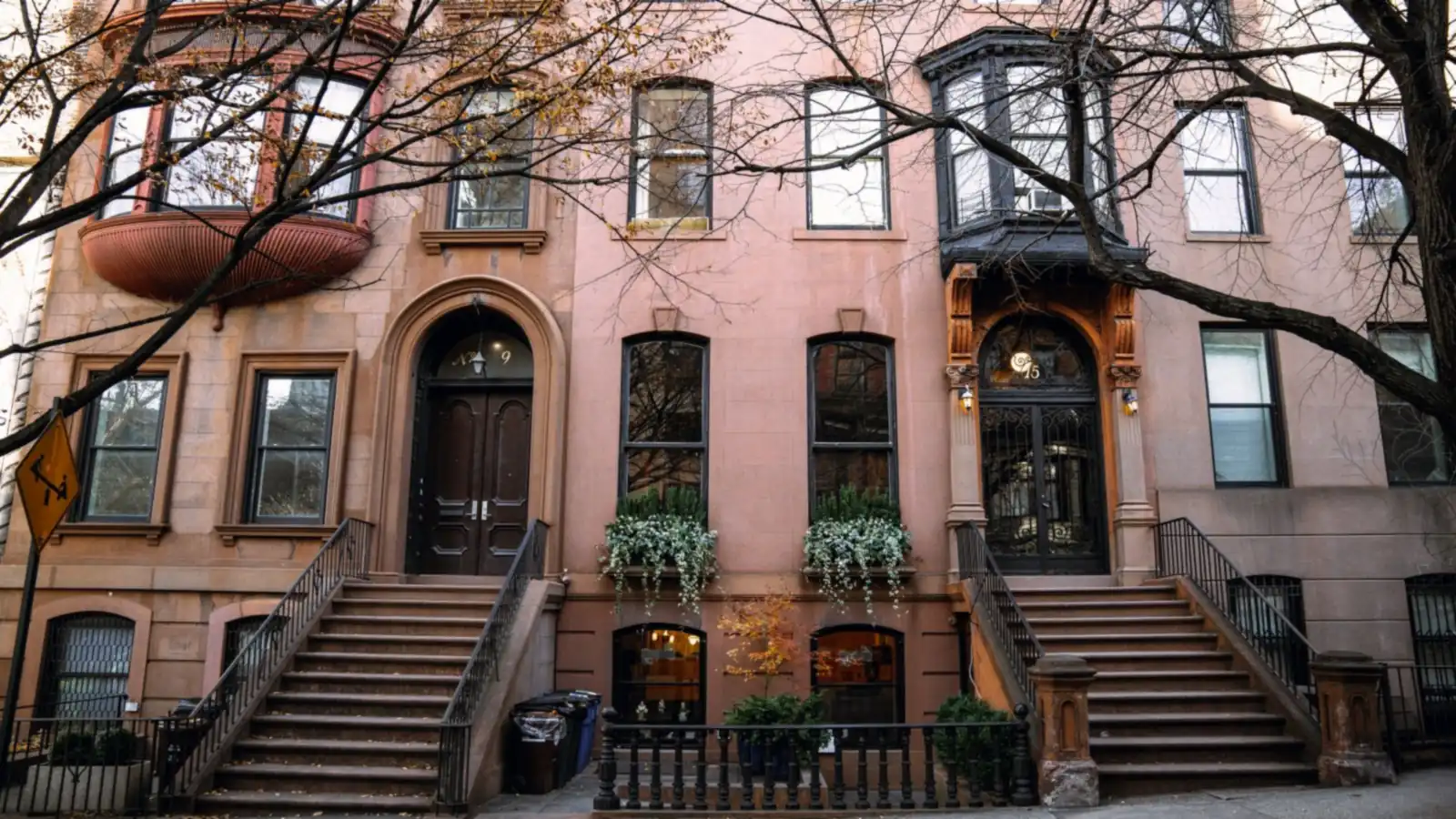
Water damage in Troy's historic rowhouses, brownstones and Victorians calls for a careful hand. Lime plaster, old-growth floors, original trim and stone foundations behave differently from modern materials, and they are worth saving. Our crew dries them in place whenever readings allow, removes only what must go and repairs with materials that match.
Why Troy's Historic Homes Need a Different Approach
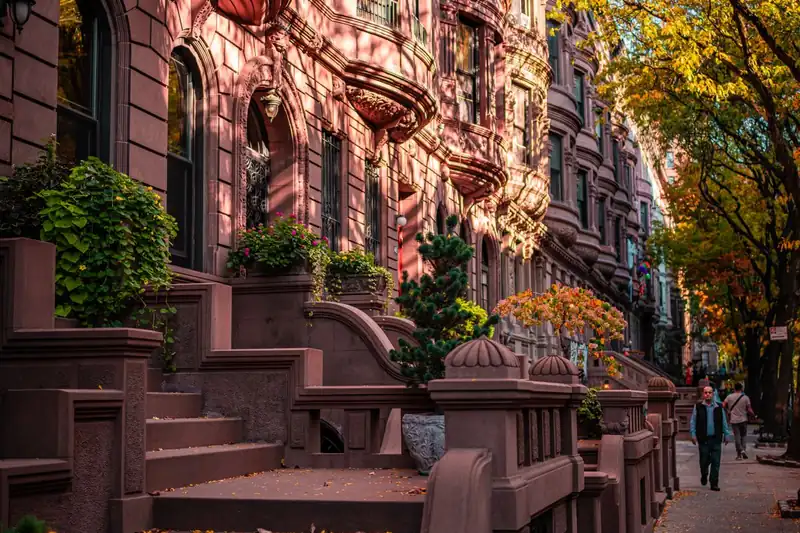
Troy holds one of the richest collections of 19th-century buildings in New York: brick and brownstone rowhouses around Washington Park and Central Troy, Italianate and Queen Anne homes on the Eastside, worker housing in Lansingburgh and South Troy, and Victorian homes around Beman Park. These buildings were made to last, but they were built with materials that react to water very differently from modern ones.
- Three-coat lime plaster on wood lath or directly on brick is dense and heavy. It soaks up water slowly, holds it for a long time and can lose its grip on the lath if it stays wet.
- Old-growth wood floors and trim are stable and beautiful, but water can cup boards, raise grain and lift finishes.
- Balloon framing in many older homes leaves wall cavities open from the basement to the attic, so water and moisture can travel far inside walls.
- Brick and fieldstone foundations wick moisture and need long, steady drying.
- Older wiring, including knob-and-tube in some homes, needs extra caution around water.
- Decorative plaster details, ceiling medallions and cornices are hard to replace and worth protecting.
Generic restoration crews often treat these homes like new construction and rip out plaster and trim by default. That is fast for them and expensive and heartbreaking for you.
Can Original Plaster, Trim and Floors in Troy Be Saved After Water Damage?
Quick answer: often, yes. Plaster still firmly attached to its lath or masonry, solid wood trim, pocket doors and original hardwood floors can usually be dried in place if drying starts quickly and is controlled carefully. Materials are removed only when they have sagged, crumbled, delaminated or absorbed contaminated water like sewage or flood water.
Our Careful Drying Approach for Historic Homes in Troy
Stage 1: Map before touching. We take moisture readings across plaster, trim, floors and framing, photograph original details and mark anything that should be protected.
Stage 2: Extract and protect. Standing water is removed, and floors, stair runners and furniture are protected from equipment and foot traffic.
Stage 3: Dry in place first. Plaster walls and ceilings that are still sound are dried in place with controlled airflow and dehumidification, instead of being torn out.
Stage 4: Save the floors. Floor drying mats pull water out of original oak and heart pine boards, often letting cupped floors settle back.
Stage 5: Remove carefully when needed. When trim or a section of plaster must come off, we remove it gently, label it and store it for reinstallation where possible.
Stage 6: Dry slowly enough. Old-growth wood and lime plaster can crack if dried too aggressively. We control humidity so materials dry evenly.
Stage 7: Restore. Repairs use matching materials and techniques where practical, from plaster patching to milling trim profiles.
Rowhouses and Shared Walls in Downtown Troy
Troy's rowhouses share party walls, and many older buildings share roofs, gutters and even plumbing stacks with the house next door. That means a leak can start in one home and show up in another, and a flat roof drain clogged on one end of the block can flood the top floor at the other.
When we work in a rowhouse, we check both sides of any shared wall where water could travel, trace roof leaks along the parapet and party wall, and, with permission, coordinate with neighbors so the source gets fixed. We document each property separately so insurance claims on both sides stay clear.
Repairs That Respect the Character of Older Troy Homes
When parts of an old house have to be repaired, matching matters. Our rebuild work aims to blend in with what is there:
- Plaster patches finished to match the surrounding wall texture, or veneer plaster where full three-coat work is not practical
- Trim profiles matched or milled to fit existing casings and baseboards
- Hardwood boards woven in by species and width, then sanded and finished to blend
- Original doors, trim and hardware labeled, stored and reinstalled
- Photos and measurements of every original detail taken before anything is removed
Lead-Safe Water Damage Work in Older Troy Homes
Most Troy homes built before 1978 have lead paint somewhere under newer coats, on trim, windows, doors and plaster. Water damage work disturbs those surfaces, so Water Damage Troy NY follows EPA lead-safe work practices in older homes:
- Plastic sheeting and containment around any area where painted surfaces are cut or removed
- Misting and hand tools instead of dry sanding or power planing
- HEPA vacuums and wet wiping for cleanup, never dry sweeping
- Keeping children and pregnant family members away from the work area
- A careful final clean before the room is returned to use
These steps add some setup time, but they protect your family and keep the repair honest to the building. water damage repair and rebuild
More Ways Our Troy Crew Can Help
Historic Home Water Damage in Troy, NY at a Glance
Short answer: historic Troy homes need slower, measured drying that protects original plaster, trim, floors and masonry. Many brownstones, rowhouses and Victorians near Washington Park, Little Italy and the Eastside can be dried and repaired without tearing out original finishes.
- Plaster: dries slowly and can feel dry while the core is still wet.
- Masonry: fieldstone and brick foundations wick moisture from soil.
- Trim and doors: often removable, dried and reinstalled.
- Lead paint: older homes may have lead paint; work needs lead-safe practices.
- Shared walls: rowhouse leaks can spread to neighbors.
- Historic districts: exterior changes may need city approval before work.
Water Damage Troy NY saves original materials whenever readings allow. See our structural drying page for how we measure dry.
Balloon Framing in Troy Homes: Why Water Travels So Far
Many Troy houses built in the late 1800s and early 1900s use balloon framing. In this style, wall studs run in one piece from the foundation to the roof, with no blocking between floors. That open path changes how water moves through the house.
- Water from a second-floor leak can run down inside an exterior wall all the way to the basement.
- Damp air and moisture can rise inside wall cavities from a wet basement to upper floors.
- Stains can appear one or two floors away from the actual leak.
- Drying has to follow the whole cavity, not just the room where the water was seen.
- The same open cavities let fire spread, so fire blocking is often added during repairs.
Knowing your home's framing helps us find all the water the first time.
Water Damage Troy NY checks the floors above and below every leak in a balloon-framed home, because that is where hidden water ends up. leak detection
Saving Original Woodwork, Doors and Built-Ins in Troy Homes
Troy's older homes are full of details you cannot buy today: carved newel posts, pocket doors, tall baseboards, built-in china cabinets and window casings with original profiles. Water damage puts these pieces at risk, but many can be saved.
- Baseboards and casings are removed carefully, numbered and stored flat so they can go back in the same place.
- Pocket doors are slid out and stored so the wall pocket can dry.
- Built-ins are dried in place with controlled airflow to avoid cracking old finishes.
- Shellac and varnish finishes can turn white when wet; many can be revived instead of stripped.
- Loose veneer can often be glued once dry.
- Photos of each room before work help put everything back exactly as it was.
Water Damage Troy NY treats original woodwork as something to save, not something to haul away.
Built-In Gutters and Slate Roofs on Troy Victorians
Many Troy Victorians and rowhouses have built-in or box gutters hidden in the roof edge or cornice, plus slate or metal roofs. They look great and last a long time, but when they fail, water goes straight into the walls.
- Built-in gutters can crack or lose their lining, sending water into the cornice and exterior walls.
- Slate roofs leak at broken or slipped slates and at worn flashing, not across the whole roof.
- Leaks often show as stains high on exterior walls or around top-floor windows.
- Regular gutter relining and slate repairs prevent most of these leaks.
When a built-in gutter leaks, Water Damage Troy NY dries the cornice, walls and ceilings below, and documents the source for your roofer.
Insurance Questions for Owners of Historic Troy Homes
Insurance for older Troy homes can raise special questions after water damage, because original materials often cost more to repair than modern ones.
- Ask whether your policy pays to repair with like kind and quality, such as plaster for plaster.
- Ask about ordinance or law coverage, which helps when repairs must meet current codes.
- Keep photos of original trim, floors and plaster before any work starts.
- Save details of past restoration work, which help show the value of what was damaged.
Water Damage Troy NY photographs historic details before work and can share those records with you and your insurer.
Historic Home Water Damage FAQs for Troy, NY
Questions owners of older Troy homes ask us most.
Will you replace my plaster with drywall?
Not if it can be saved. After a clean-water leak, plaster that is still bonded to the lath usually dries in place. We remove plaster only when it has sagged, crumbled, lost its keys or soaked up contaminated water, and we show you the readings before deciding.
How long does plaster take to dry after a leak?
Plaster is denser and thicker than drywall. It takes longer to get wet and much longer to dry, and it can feel dry to the touch while the core is still damp. Most plaster walls take a few extra days compared with drywall. We measure, not guess.
What about lead paint and asbestos in older Troy homes?
Many older homes have lead-based paint and sometimes asbestos in old plaster, pipe insulation or flooring. Before we cut or sand anything, we treat older materials with appropriate caution and arrange testing when needed, so dust is not spread through the house.
Do historic district rules affect water damage repairs in Troy?
Homes in local historic districts may need approval for exterior changes, such as windows, siding or roofing. Interior drying and repairs generally do not, but check with the city's planning office before replacing anything visible from the street. We document original materials so repairs can match.
Protect Your Historic Troy Home: Call Today
Original plaster, trim and floors cannot be ordered off a shelf. The sooner drying starts, the more of your old Troy home stays original. Call our crew now.
Troy has one of the richest collections of 19th-century architecture in the Capital Region, including the Central Troy Historic District, Washington Park, and the brownstones near Monument Square and the Troy Savings Bank Music Hall. Water Damage Troy NY dries decorative plaster, carved woodwork, marble and old-growth framing in place whenever possible, and photographs every original detail before work starts.
Water Damage Troy NY serves Washington Park, Central Troy, Little Italy, Lansingburgh, the Eastside, Beman Park, South Troy and older neighborhoods across Rensselaer County.