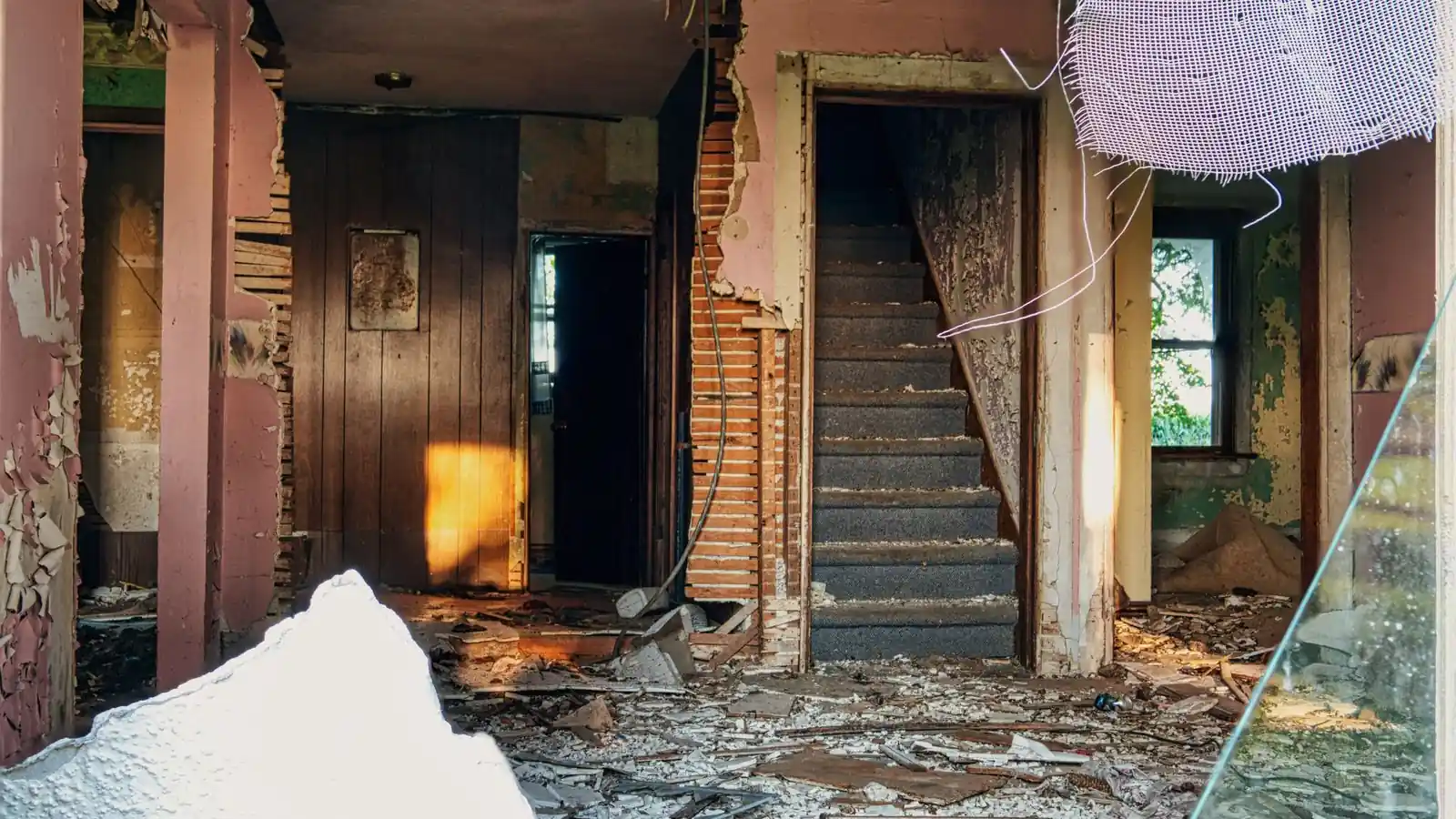
Flood Damage Restoration in Troy, NY
Flood damage restoration in Troy, NY covers more than a rising Hudson. Flash floods race down the Poesten Kill and Wynants Kill, spring snowmelt overwhelms hillside drainage, and summer cloudbursts back up older street drains. Our crew removes contaminated flood water, tears out what cannot be cleaned, sanitizes and dries your home or business, then rebuilds it.

How Troy Floods: The Hudson, the Kills and Steep Streets
Troy sits where the Hudson River stops being an ocean tide and becomes a river. The Hudson is tidal all the way up to the Federal Dam at Troy, and the city has watched it rise many times, including the flooding that followed Tropical Storm Irene in August 2011. But river flooding is only one way water gets in.
The Poesten Kill and Wynants Kill drop steeply through the city on their way to the Hudson. During intense storms, these narrow creeks can rise in a hurry and spill into nearby streets, yards and basements. Late winter and spring bring snowmelt and occasional ice jams on area rivers, which can push water up fast.
Then there is the terrain. Troy climbs steeply from the riverfront to the Eastside, so runoff from heavy rain races downhill and collects at the bottom of streets and against foundations. Older parts of the city are served by combined sewers, which carry both stormwater and wastewater, and during big storms those systems can be overwhelmed. That is why flood water in Troy often brings sewage along with it.
Is Flood Water in a Troy Home Dangerous?
Quick answer: yes. River, creek and street flood water is Category 3, or black water. In Troy it can carry sewage from overwhelmed drains, fuel, road runoff and debris. Porous materials it soaks, such as carpet, drywall and insulation, usually need to be removed, and all hard surfaces must be cleaned and disinfected before drying. Keep children and pets out and wear boots and gloves if you have to go in.
Our Flood Cleanup Process in Troy
Stage 1: Safety and access. We confirm power and gas are safe, check for structural movement and set up a safe way in.
Stage 2: Document. Photos of the water line, damaged materials and belongings are taken before anything moves.
Stage 3: Water and mud removal. Pumps clear remaining water, and silt is shoveled and vacuumed from floors, basements and stairwells.
Stage 4: Remove contaminated materials. Carpet, pad, drywall, insulation and other porous materials that touched flood water are removed to a clean line.
Stage 5: Clean and disinfect. Framing, plaster, stone, brick, concrete and every hard surface are scrubbed and treated with antimicrobial products.
Stage 6: Dry. Low-grain refrigerant dehumidifiers and air movers run with daily readings. Stone and plaster need patience, so we do not pull equipment early.
Stage 7: Rebuild. Once dry, we restore walls, plaster, floors, trim and finishes.
Flood Damage in Troy's Older Rowhouses and Victorians
Flood cleanup in a 19th-century Troy building is not the same as in a newer home. A few things we watch for:
- Balloon framing. Many older homes have wall cavities that run uninterrupted from the basement up to the attic. Flood water and moisture can wick and travel up those cavities, so we check walls well above the visible water line.
- Plaster and lath. Plaster is denser than drywall and holds water longer. Some can be saved; some cannot. We test before deciding.
- Fieldstone and brick foundations. Mortar joints hold silt and contamination. They need thorough cleaning and a long, steady drying period.
- Old wiring. Knob-and-tube or older circuits that were under water need an electrician's inspection before power is restored.
- Heating equipment. Basement boilers, oil tanks and old ductwork are common. Water damage to them needs a heating contractor's attention.
- Shared walls. In rowhouses, flood water often affects the neighbors too, so we coordinate where it makes sense.
What Can Be Saved After a Flood in a Troy Home
- Concrete, brick, stone and solid wood framing: cleaned, disinfected and dried in place.
- Plaster on masonry: often cleaned and dried in place. Plaster on wood lath: evaluated case by case.
- Drywall and wall insulation: removed to a clean line above the wicking height.
- Carpet and pad: removed after flood water.
- Original hardwood: sometimes saved with careful cleaning and drying if exposure was short; evaluated board by board.
- Furnace, boiler and water heater: inspected by a heating contractor or plumber before being restarted.
- Upholstered furniture and mattresses: usually discarded after contaminated water.
- Photos, documents and keepsakes: dried or frozen quickly; many can be professionally restored.
We photograph and list everything removed so nothing is missed on your claim.
Returning Home Safely After a Flood in Troy
- Wait for city or county officials to say your street is safe before going back.
- Do not enter if water is still in the house, or if walls, floors or porches look shifted.
- Keep the main breaker off until an electrician checks any panel or wiring that was under water, including old knob-and-tube circuits.
- If you smell gas, leave right away and call the utility from outside.
- If your home heats with oil, check whether the tank tipped or leaked. Fuel oil spills need special cleanup.
- Wear rubber boots, waterproof gloves and an N95 mask around flood mud.
- Photograph the water line in every room and all damaged belongings before cleanup.
- Run generators and pumps outdoors only, away from doors and basement windows.
- Throw out food, medicine and cosmetics that flood water touched.
Flood Insurance for Troy Homes and Basements
Standard New York homeowners policies generally exclude flood damage from rivers, creeks and surface water. Flood coverage usually comes from a separate policy, often through the National Flood Insurance Program, and new NFIP policies typically have a waiting period before they take effect. One detail many Troy homeowners do not know: NFIP policies limit what they cover in basements, generally sticking to essentials like furnaces, water heaters, electrical panels and foundation elements rather than finished walls, flooring and stored belongings. Ask your agent exactly what your policy covers below grade.
Good documentation speeds every claim. We photograph the water line in each room, record moisture readings, list every removed material and keep samples when an adjuster asks.
Health and Safety Risks of Floodwater in Troy
Floodwater from the Hudson, the Poesten Kill or a flooded street is not just water. It is classified as Category 3, or black water, and it brings real risks into your home:
- Bacteria and viruses from overflowing sewers and septic systems
- Fuel, oil and chemicals washed out of garages, streets and yards
- Electrical danger when water reaches outlets, panels or appliances
- Gas leaks if appliances or lines were moved or damaged
- Hidden debris, sharp objects and slippery mud on floors and stairs
- Mold that starts quickly in warm weather on anything left wet
Stay out of standing floodwater, keep children and pets away, and do not restart the furnace or water heater until it has been checked.
That is why Water Damage Troy NY never treats floodwater as a simple pump-out. Every surface it touched is cleaned and disinfected, porous materials are removed to a clean line, and the area is dried and checked before anyone moves back into the space. sewage backup cleanup
Related Flood Recovery Services in Troy
Flood Damage Restoration in Troy, NY at a Glance
Short answer: floodwater from the Hudson River, Poesten Kill or Wynants Kill is treated as contaminated. Restoration means removing mud and soaked porous materials, cleaning and sanitizing every touched surface, then drying the structure before any rebuild starts.
- Before re-entry: wait for officials to clear the area and check for gas smells and structural damage.
- Electrical: have power checked before turning it back on in a flooded building.
- What usually goes: carpet, pad, drywall and insulation that floodwater touched.
- What can often stay: framing, masonry and some hardwood after cleaning and drying.
- Insurance: river and surface flooding usually needs a separate flood policy.
- Documentation: photos, a damaged-items list and daily moisture logs.
Water Damage Troy NY works through flood cleanup room by room. For claim steps, see our water damage insurance claim help page.
Flood Recovery Timeline for a Troy Home: Day One to Week Six
Flood recovery in Troy rarely finishes in a weekend. Knowing the usual order of events helps you plan time off work, talk with your insurer and decide where your family will stay. Every flood is different, but most Troy jobs follow this pattern.
- Day 1: safety checks, pumping out standing water and mud, and a walk-through to photograph everything before it is moved.
- Days 1 to 3: removal of soaked carpet, pad, drywall and insulation below the flood line, then cleaning and sanitizing of framing, masonry and slabs.
- Days 2 to 7: drying with dehumidifiers and air movers, with readings taken every day. Fieldstone and brick basements in Lansingburgh and South Troy often take the longest.
- Week 2: final moisture checks, odor control and a written list of what must be rebuilt.
- Weeks 2 to 6: repairs such as drywall, plaster patching, flooring, cabinets and paint, depending on how far the water rose.
- Throughout: an electrician and your heating contractor check any wiring, furnace or boiler that sat in water before it is used again.
The biggest delays usually come from waiting on adjusters, ordering materials or finding hidden water inside walls. Starting cleanup right away keeps the rest of the timeline short.
Water Damage Troy NY walks you through each stage of this timeline in person, so you always know what happens next and why. water damage repair in Troy
Flood Damage FAQs for Troy, NY
Answers to what Troy and Rensselaer County property owners ask most after high water.
Do you have to live near the Hudson to flood in Troy?
No. Flash flooding from creeks, overwhelmed storm drains and hillside runoff can reach homes far from the river. Several of Troy's worst flood calls come from streets near the Poesten Kill and Wynants Kill or at the bottom of steep hills.
How long does flood cleanup take in Troy?
Mud-out and removal of contaminated materials usually take one to two days. Drying typically takes three to seven more, and thick stone foundations and plaster walls can stretch that. Rebuilding starts once readings confirm everything is dry.
Can plaster walls be saved after a flood in an old Troy home?
Plaster on brick or stone can often be cleaned, disinfected and dried in place. Plaster on wood lath soaked by flood water is evaluated case by case, because the lath and the cavity behind it can hold contamination. We test, explain the options and remove only what has to go.
What if flood water tipped my heating oil tank?
Fuel oil spills need special handling, and they make the flood cleanup more complicated. Do not run the furnace, ventilate if you can do it safely, and call your oil company and insurer. We contain the area and work with environmental cleanup contractors when a spill is involved.
Do you handle flood cleanup for Troy businesses near the river?
Yes. Shops, restaurants and offices along River Street, the downtown waterfront and the Hoosick Street corridor need to reopen fast. We set up containment, work around your hours and provide daily documentation for owners, landlords and insurers.
Start Your Troy Flood Recovery Today
Flood mud and water keep soaking into plaster, framing and stone the longer they sit. As soon as it is safe to go back inside, our Troy crew can start the mud-out, sanitizing and drying.
Flood risk in Troy is tied to the Hudson River below the Federal Dam, the Poesten Kill and the Wynants Kill. When Tropical Storm Irene hit in August 2011, low parts of South Troy and homes along those creeks took on water fast. Water Damage Troy NY treats every river or creek flood as Category 3 water, removes what it touched, and documents each room for both flood and homeowners claims.
Water Damage Troy NY serves Troy, Lansingburgh, South Troy, Watervliet, Cohoes, Green Island, Menands, Wynantskill, Poestenkill and nearby Rensselaer County.